
Her daughter started a GoFundMe from a hospital hallway. Strangers gave $226,000 in 6 days.
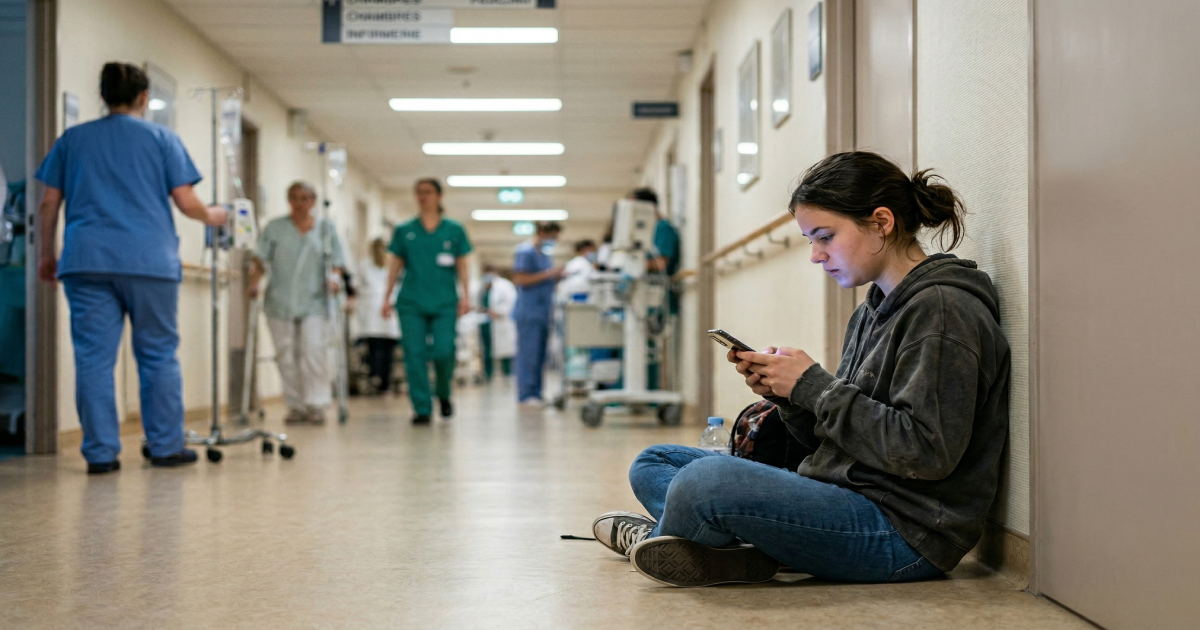
Sarah Lépine was not thinking about fundraising. She was thinking about her mother’s legs.
On March 22, 2026, Air Canada Jazz flight 8646 from Montreal landed at LaGuardia Airport in New York and collided with a fire truck on the tarmac. Both pilots were killed. Several crew members and passengers were injured.
Her mother, Solange Tremblay, was one of them.
320 feet from the wreckage
Solange Tremblay had been a flight attendant for years. She was a senior crew member. On that flight, she was seated in a jump seat near the cockpit.
The impact ejected her more than 320 feet from the wreckage. She was found still strapped to her seat. She was conscious.
What followed was a list of injuries that reads like a medical textbook: two shattered legs, a fractured spine, open fractures requiring metal plate implants in both legs, multiple surgeries ahead, skin grafts, and months of intensive rehabilitation.
Sarah flew to New York immediately. Her mother was in a hospital bed. Her stepfather, Denis, needed to take time off work. The surgeries were just beginning.
A page, a story, and a link
Sarah and her cousin Johannes Verbeek set up a GoFundMe from the hospital. The campaign was called “Help Air Canada Flight Attendant Solange Tremblay Recover.” They set the goal at $250,000.
The page was simple. It described what happened. It listed the injuries. It included a photo of Solange, not a stock image, not a posed portrait, but a real person in a hospital bed. The kind of photo that makes you stop scrolling.
There was no marketing plan. No social media strategy. No PR team. Just a daughter writing about her mother, from a hallway in a New York hospital.
$226,000 in six days
The first donations came from people who knew the family. Then local news picked it up. The Globe and Mail ran the story. NOW Toronto followed. Then Fox News, Newsweek, and others.
By the end of the first week, more than 4,000 people had donated. The total reached $226,236, 91 percent of the goal.
Most donors gave between $20 and $100. They were not wealthy benefactors. They were strangers. Flight attendants who recognized the uniform. Parents who imagined the phone call. Canadians who saw the headline and could not look away.
What makes a campaign like this work
Not every GoFundMe reaches its goal. Most do not. So what made this one different?
The story was real and verifiable. The crash was international news. Anyone could Google it and see the same details described on the fundraising page.
The need was specific. The page did not ask for money to “help with expenses.” It listed the injuries. It explained why the family needed $250,000. Donors could see exactly where their contribution would go.
The family launched it. Not a stranger. Not a friend of a friend. Sarah Lépine, Solange’s daughter, put her name on it.
It moved fast. The campaign went live within days of the crash, while the story was still in the news cycle.
The infrastructure of empathy
A generation ago, a community would have passed around an envelope. A church would have taken up a collection. Today, a daughter in a hospital hallway can reach 4,000 strangers in less than a week.
What has changed is who gets to be a fundraiser. You do not need experience. You do not need a nonprofit. You need a story that is true, a need that is clear, and a platform that lets people act on what they feel.
In Canada, tools like Tiing exist precisely for this: to let anyone, in any moment, set up a page and rally their community. No fundraising expertise required. Just a link, a story, and the kind of honesty that makes strangers open their wallets from a thousand miles away.
Solange Tremblay is still recovering in a New York hospital. Her daughter is still there with her. And 4,000 people they have never met are part of the reason they can afford to stay.
